The Definitive Guide to Picking the Right Fishing Rods for Every Fisherman
Selecting the right fishing rod is crucial for any angler's success. Different types of rods cater to different fishing styles and conditions. Understanding the key features, such as material, action, and power ratings, can greatly impact performance. Yet, many anglers overlook these details. As they start their fishing journeys, the search for the perfect rod can prove to be more complex than anticipated. What factors should they actually prioritize?
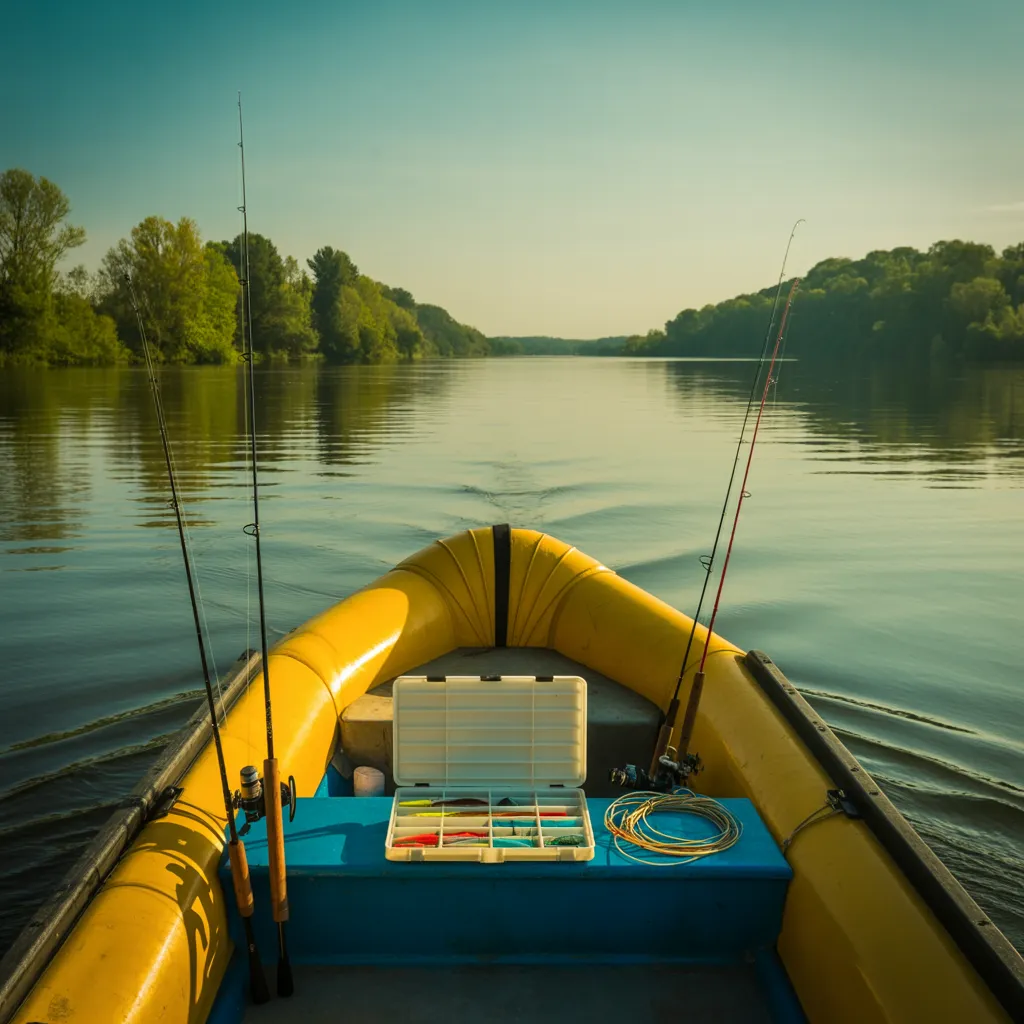
Grasping Fishing Pole Fundamentals
While fishing rods may look basic at first glance, understanding their essential components is crucial for any fisher. A fishing rod is chiefly comprised of the blank, guides, reel seat, and handle. The blank, typically made from materials for example graphite or fiberglass, provides the foundation and sensitivity required for efficient casting. Guides, little rings positioned along the rod's length, aid in line management and help control the line's trajectory in casting and retrieval.
Where the fishing reel is secured, the reel seat ensures stability during operation. The handle, frequently fashioned from cork or EVA foam, supplies comfort and grip, facilitating superior control. These features operate in unison to affect the rod's performance, influencing casting distance, sensitivity, and durability. Understanding these components allows anglers to make knowledgeable decisions, improving their fishing experience and success on the water.
Types of Fishing Rods and Their Uses
In selecting a fishing rod, grasping the multiple types available is important for optimizing fishing success. There are many primary categories of fishing rods, each engineered for particular techniques and environments. Spinning rods are multifunctional and user-friendly, excellent for beginners and right for light to medium tackle. Baitcasting rods deliver greater control and accuracy, making them chosen for experienced anglers targeting larger species.
Fly rods are purposefully crafted for fly fishing, offering a lightweight design that allows for delicate presentations. Surf rods, conversely, are extended and durable, accommodating anglers fishing from the shore. For those interested in ice fishing, specialized ice rods are compact and responsive, designed to detect subtle bites through the ice. In the end, understanding these various kinds guarantees anglers select the right rod for their fishing technique and desired catch, enhancing their overall experience on the water.
Essential Features to Evaluate When Picking a Rod
Selecting the right fishing rod requires careful consideration of numerous key features that can greatly impact performance. One vital aspect is the material of the rod, which often includes graphite, fiberglass, or composite materials. Graphite is lightweight and sensitive, while fiberglass offers strength and flex. Another important feature is the rod's action, which dictates how much the rod bends when pressure is applied. Fast action rods perform quickly, whereas slow action rods provide more flexibility. Additionally, the handle type, usually made from EVA foam or cork, affects comfort and grip during use. Reel seat quality is likewise essential, as it ensures secure attachment of the reel. Finally, guides and tip quality affect line movement and casting distance. By knowing these features, anglers can select a rod that best matches their fishing technique and needs.
Selecting the Right Length and Power
Selecting the right length and power for a fishing rod is vital for attaining optimal performance. Rod length influences casting distance and accuracy, while power ratings show the rod's strength and capacity to handle different species. Understanding these elements helps anglers make educated choices suited to their fishing needs.
Grasping Rod Length
The length of a fishing rod plays a vital role in determining the overall performance and effectiveness of a fishing rod. Extended rods, usually between 7 and 12 feet, deliver improved casting distance and leverage, making them excellent for surf fishing or targeting species in larger bodies of water. Alternatively, shorter rods, typically between 5 to 6.5 feet, offer greater accuracy and control, which is ideal for small streams or tight fishing spots. The decision of rod length should suit the angler's fishing style, technique, and target species. Comprehending the environment and fishing conditions will also determine the appropriate length. In the end, deciding on the right rod length improves the fishing experience and promotes more successful outings on the water.
Understanding Power Ratings
Grasping rod length is only one element of picking the right fishing rod; power ratings are equally important in matching the rod to specific fishing conditions and techniques. Power ratings show the rod's strength and performance, establishing how much weight it can handle. Rods are typically categorized as ultralight, light, medium, medium-heavy, and heavy. An ultralight rod is ideal for small fish and finesse techniques, while a heavy rod is designed for larger species and heavy lures. Picking the appropriate power rating confirms that anglers can efficiently control their line and lure, improving their chances of success. Assessing the targeted species and fishing environment will direct anglers in making the best choice for their needs.
Pairing Your Rod With Reel and Line
Often, fishing enthusiasts realize that the results of their fishing outing hinges on the compatibility of their rod, reel, and line. Choosing the right combination provides maximum performance and enriches the overall fishing experience. The rod's power and action should complement the reel's gear ratio and type, whether spinning or baitcasting. For instance, a lightweight rod paired with a high-speed reel is ideal for quick retrieves, while a heavier rod may demand a stronger, slower reel for heavier catches.
Choosing the right line is also crucial; the breaking strength should match the rod's specifications and the reel's capacity. Monofilament, fluorocarbon, or braided lines offer different advantages, impacting sensitivity and casting distance. In the end, achieving a proper balance between these components allows anglers to optimize their effectiveness on the water, improving both casting accuracy and fish fighting capabilities.
Maintenance Tips for Longevity and Performance
Looking after a fishing rod read this article is vital for maintaining its durability and optimal performance. Regular cleaning practices, appropriate storage techniques, and periodic inspections for damage can greatly extend the durability of the equipment. By adopting these maintenance tips, anglers can elevate their fishing experience and protect their investment.
Consistent Cleaning Techniques
Although fishing enthusiasts could focus on picking the perfect rod, regular cleaning practices are crucial for ensuring longevity and peak performance. After each fishing trip, it is essential to rinse the rod with fresh water to remove salt, dirt, and debris that can lead to corrosion. A soft cloth can be used to wipe down the rod and guides, confirming no moisture is left behind. For rods with cork handles, a mild soap solution can help to maintain their condition. Examining the rod for any indications of damage or wear is also essential; this allows for immediate repairs. Regular cleaning not only elevates the rod's appearance but also preserves its functionality, making it a worthwhile practice for every fishing enthusiast.
Proper Storage Techniques
Appropriate storage methods are crucial for prolonging the lifespan and effectiveness of fishing rods. Fishermen ought to keep rods in a temperature-controlled, moisture-free area to stop moisture buildup, which can result in corrosion. Using rod holders or racks helps maintain their shape and prevents warping or bending. It is wise to avoid placing heavy objects on top of the rods or leaning them against walls, as this can create unnecessary stress. Furthermore, separating individual rods with protective sleeves can reduce friction and potential damage. For those using rod cases, ensuring they are well-ventilated will provide extra protection for the rods from humidity. Ultimately, proper storage protects from wear and tear, ensuring rods remain in excellent state for future fishing adventures.
Reviewing for Damage
Periodic examinations are crucial for maintaining the longevity and performance of fishing rods. Anglers should check their rods consistently for any signs of wear or damage. This includes examining the rod blank for cracks, splinters, or discoloration, as these can compromise structural integrity. Moreover, guides and tip tops must be checked for loose fittings or cracks, which can hinder line movement and lead to breakage. Ferrules should also be examined to ensure a secure connection between rod sections. Furthermore, the reel seat must be inspected to stop slippage during use. Handling any identified issues promptly through repairs or replacements can considerably extend the life of a fishing rod and enhance the overall fishing experience.
Popular Questions
What's the Top Fishing Rod Brand for Novice Anglers?
For those new to fishing, brands including Ugly Stik and Shimano deliver outstanding options. They provide sturdy, beginner-friendly rods with good flexibility and strength, making them ideal for beginners wanting consistent performance while mastering the basics of fishing.
What Should I Budget for My First Fishing Rod?
Fishing experts propose first-time anglers budget between $50 to $100 for their first fishing rod. This price range typically offers a balance of quality and affordability, guaranteeing a good experience without overwhelming the new angler financially.
Can a Spinning Rod Be Used for Baitcasting?
A spinning rod cannot be used effectively for baitcasting. Each rod type is designed for specific techniques, where spinning rods are ideal for lighter lines and lures, while baitcasting rods excel with heavier tackle and precision casting.
What's the Ideal Material for a Fishing Rod?
The finest material for a fishing rod is typically graphite, renowned for its responsiveness and lightweight properties. Fiberglass, while weightier, brings resilience, making it ideal for select fishing styles. In the end, the choice depends on personal preference and fishing conditions.
How Can I Determine Whether a Rod Is Too Heavy for Me?
To assess whether a rod is excessively heavy, an angler should examine comfort during casting and retrieval. If fatigue or strain occurs quickly, the rod may be overly heavy for their physical capability and fishing method.